
Building a Career in Temporary Works
Published: 28/05/2026 12:01
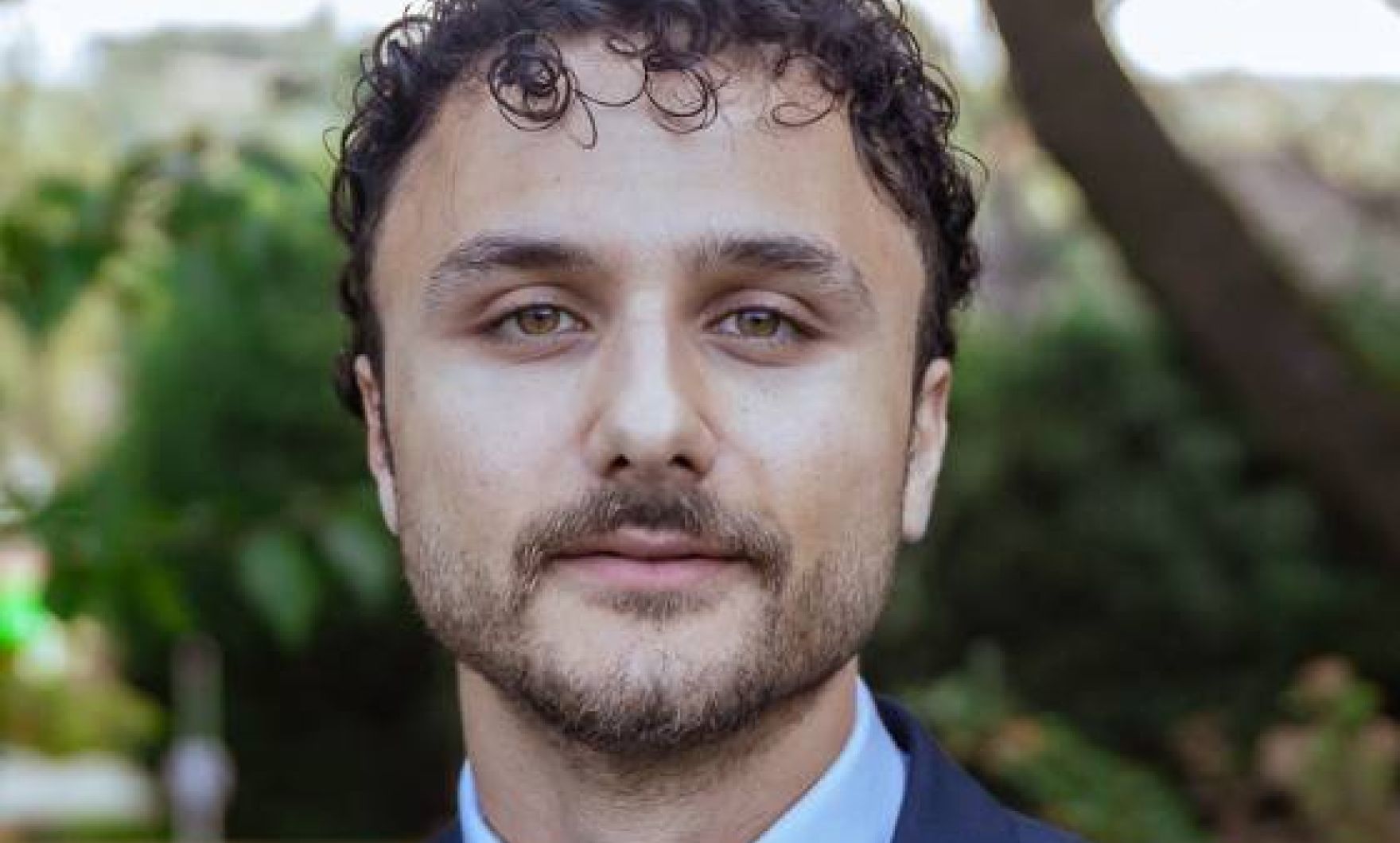
At Richter, careers are shaped by experience, responsibility, and exposure to real engineering challenges from day one. For Marcus Andreas, what began as a search for an industrial placement during his Civil & Structural Engineering degree quickly became the foundation for a fast-tracked career in temporary works engineering.
Marcus first came across Richter while exploring opportunities on LinkedIn. After an initial conversation with the team and further research into the company’s projects, it became clear that this was an environment where he could gain meaningful, hands-on experience.
That expectation was quickly exceeded.
Like many students, Marcus entered his placement year anticipating a focus on applying academic design principles. Instead, he found himself immersed in a far broader and more dynamic engineering environment. Alongside design work, he was exposed to commercial and business considerations, project management, and drafting — all critical components of delivering real-world engineering solutions.
“I thought I’d mainly be applying what I learned at university — but it turned into a much broader experience across design, commercial and project management.”
Perhaps most significantly, the placement introduced him to temporary works — an area not deeply explored in university education, but fundamental to construction. What began as unfamiliar territory quickly became a defining interest.
“University doesn’t really teach temporary works in depth, so discovering that side of engineering was a big moment for me.”
During this time, Marcus contributed to a range of complex infrastructure projects, including railway expansion works in Hope Valley, structural stability assessments for bridge schemes, and demolition works in central London. These projects offered early insight into buildability, sequencing, and the practical realities of engineering on site — knowledge that would later shape how he approached design.
Returning to university for his final year, Marcus brought with him a more mature and analytical mindset. Design was no longer just theoretical — it was something that needed to be communicated clearly, built safely, and delivered efficiently. His experience also prompted him to begin his journey toward professional accreditation through the Institution of Civil Engineers (ICE), setting the foundation for long-term career development.
After graduating, Marcus returned to Richter as a Design Engineer. The transition was seamless — supported by familiar colleagues and an environment that continued to challenge and develop his capabilities. With increased responsibility from the outset, his progression was rapid.
This pace of development is something Marcus attributes both to the nature of temporary works and to Richter’s approach to engineering.
“The fast-paced nature of temporary works means you’re constantly learning and exposed to new challenges — that’s what really accelerates your development.”
Projects move quickly, requiring engineers to think holistically — not just about design, but about constructability, sequencing, and commercial implications. Engineers are involved throughout the entire lifecycle of a project, gaining exposure to a wide range of techniques, structures, and construction methods.
For Marcus, several projects proved pivotal.
His involvement in the Hope Valley scheme — part of the TransPennine Route Upgrade — exposed him to large-scale, multi-year infrastructure delivery, requiring coordination across numerous temporary works designs. Meanwhile, his role on the Sellafield SIXEP project presented a different kind of challenge: a highly complex, high-risk environment where innovation, precision, and collaboration were critical.
Working on Sellafield required detailed design, close coordination with stakeholders, and a strong understanding of commercial processes — all of which accelerated his development both technically and professionally.
Now operating as a Senior Engineer, Marcus’s role spans far beyond design. His day-to-day responsibilities include project and team management, client communication, technical checks, and commercial input. He is currently involved in major infrastructure programmes such as HS2 Curzon Street, East-West Rail, and flood alleviation schemes — each bringing its own challenges and opportunities.
Despite the technical demands of the role, Marcus highlights that progression has been driven as much by mindset as by experience.
Strong communication — both with clients and colleagues — has been essential in delivering projects efficiently and clearly defining scope. Equally important has been independence: the willingness to take ownership, explore unfamiliar concepts, and build understanding through research and experience. Organisation, too, plays a critical role in managing the fast-paced and varied nature of temporary works projects.
Like many early-career engineers, confidence did not come instantly. Early in his career, Marcus placed significant pressure on himself to perform. Over time, however, that perspective shifted.
“Early on, confidence was a challenge. But being trusted with more responsibility and complex projects helped me realise I was progressing.”
Confidence grew through experience, responsibility, and the trust placed in him by colleagues. Being given ownership of increasingly complex schemes — and being relied upon for input — helped reinforce his capabilities and accelerate his development.
Support from colleagues and mentors has also been a defining factor. From early guidance in understanding temporary works to ongoing leadership support encouraging progression and professional development, Marcus’s journey has been shaped by a collaborative and supportive environment.
Beyond the technical work, it is this culture that stands out most.
“The variety of work keeps things interesting, but it’s the people that really make Richter what it is.”
The variety of projects ensures no two days are the same, but it is the people — the willingness to share knowledge, support one another, and build strong relationships — that make the experience at Richter distinctive.
Looking ahead, Marcus remains focused on achieving chartership and continuing to develop as an engineer. With each new project comes an opportunity to learn, adapt, and refine his approach.
Because in temporary works, as in engineering more broadly, development never stands still.