
Published: 15/04/2026 12:23
Behind every safe structure is a series of decisions most people never see.
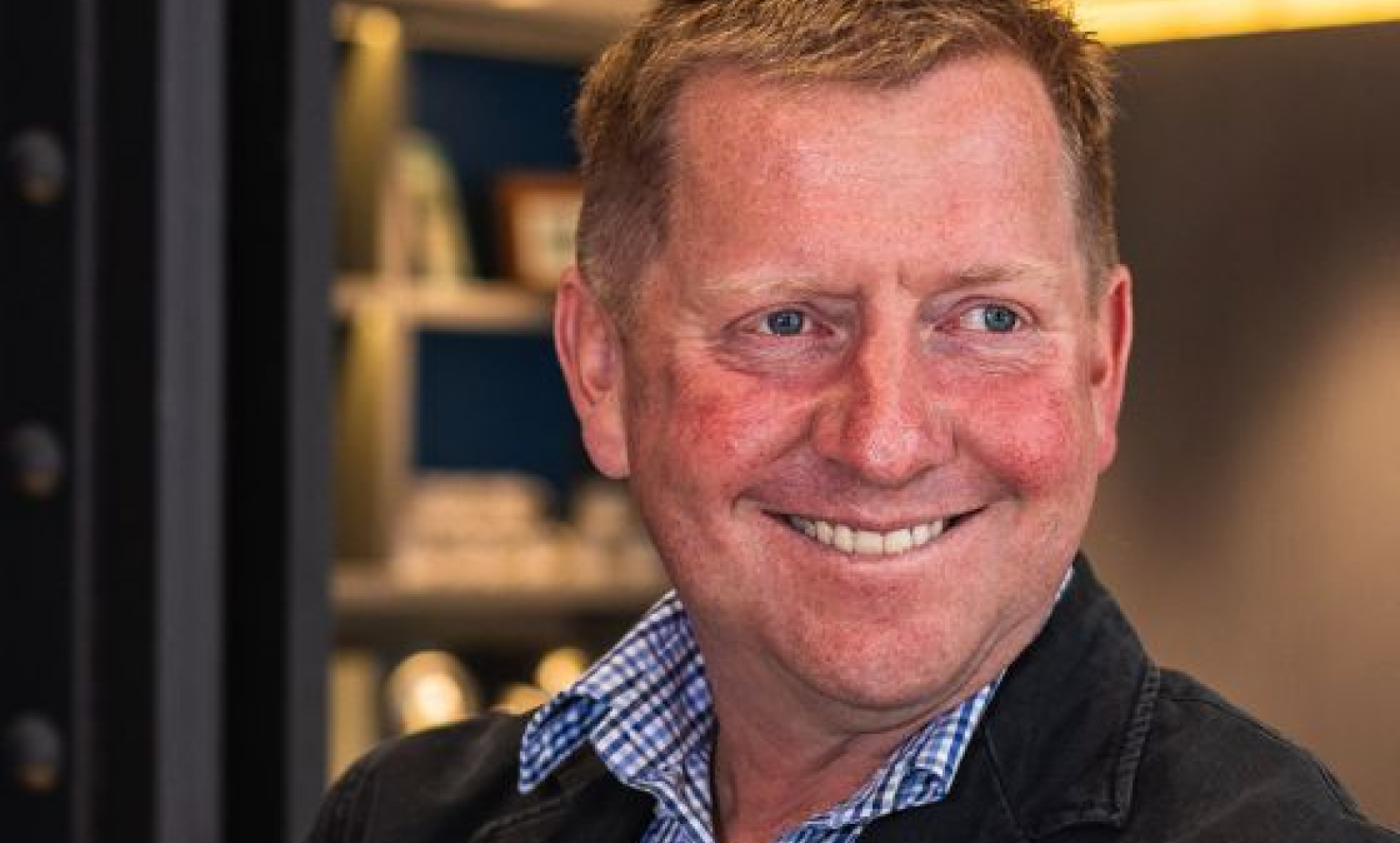
At Richter, technical leadership goes beyond engineering expertise — it is about judgement, clarity, and responsibility. As Group Technical Director, Paul Boddy plays a central role in ensuring the safety, quality, and consistency of engineering across the business.
Paul’s career spans site, design, and leadership roles across the construction and infrastructure sector. He began as a trainee site engineer with Tilbury Construction, working on Esher Sewage Works before studying Civil and Environmental Engineering at the University of Liverpool, graduating with an MEng.
Following university, he spent several years on site, progressing to sub-agent level while also gaining early design experience. During this time, he recognised that his strengths lay in technical problem-solving, while remaining closely connected to construction delivery.
A move into temporary works design marked a defining point in his career.
“A temporary works designer role became available — and it was a light bulb moment.”
He went on to apply his expertise in a client environment with British Waterways, delivering complex infrastructure schemes including weir repairs on the River Severn and works at Sharpness Docks.
Paul later returned to contractor-side temporary works with Galliford Try, before rejoining Tilbury Douglas (Interserve), where he reshaped the temporary works team and significantly raised its profile, progressing to Technical Director.
Joining Richter brought together his experience across contractor, client, and consultancy environments, enabling him to work on complex projects across the UK.
Throughout his career, Paul has developed a deep understanding of both the technical and human aspects of engineering. A pivotal moment came during an investigation into a fatal incident on a project — an experience that continues to inform his approach today.
It reinforced a fundamental principle: engineering decisions do not just affect structures — they affect people.
Today, as Group Technical Director and Designated Individual, Paul is responsible for ensuring that all engineering outputs meet the highest standards of safety, compliance, and technical quality. His role spans oversight of design, checking, and approval processes, alongside leading a team of Technical Directors and Technical Associates across the business.
But for Paul, technical leadership is not just about governance — it is about people.
“It’s about supporting the team — helping people develop their skills and being there to support decision-making.”
His approach is grounded in clarity.
“If you can’t explain something clearly, you don’t understand it enough.”
Complex challenges are broken down into manageable parts. Interdependencies are explored early, and teams are encouraged to test different scenarios before decisions are made — ensuring both robust engineering outcomes and clear communication across projects.
As the industry evolves, the adoption of digital tools and AI presents both opportunity and challenge. For Paul, innovation is essential — but only when combined with sound engineering judgement.
“It’s here to stay — we need to ensure it’s used effectively.”
Drawing on experience across contractor, client, and consultancy environments, he emphasises the importance of early-stage Designer Risk Assessments and practical insight to ensure innovation enhances — rather than compromises — safety and performance.
Despite the complexity of modern infrastructure, Paul believes success often comes down to fundamentals:
“Good collaboration, communication, cooperation and coordination — if you get that right, the rest should follow.”
Temporary works play a central role in enabling that alignment — providing the stability, access, and sequencing required to deliver projects safely and efficiently.
Alongside his leadership role, Paul remains closely involved in developing engineers. As a Supervising Civil Engineer, reviewer, and founding member of the Experiential Report Panel, he actively supports those working towards professional qualification.
His advice is simple:
“Ask questions. Spend time on site. Understand what makes the job difficult for the people delivering the work.”
For Paul, one of the most rewarding aspects of working at Richter is the combination of technical challenge and the quality of the team.
“I work alongside highly capable, motivated engineers on some of the most technically challenging projects in the UK.”
From early site experience through to technical leadership, his career reflects the breadth and responsibility of engineering within the built environment — and the importance of getting decisions right long before they are visible on site.
Because in temporary works — and engineering more broadly — it is often the decisions made behind the scenes that matter most.